


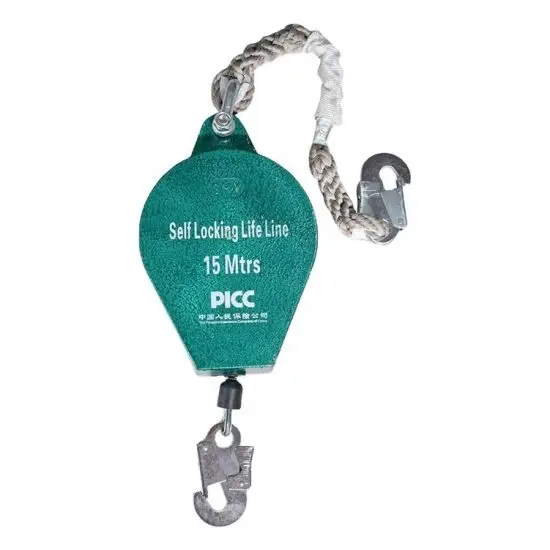
Using a fall arrestor, also known as a fall arrester or self-retracting lifeline, is crucial for ensuring safety when working at heights. Here are general guidelines on how to use a fall arrestor correctly:
Read the User Manual:
Always start by reading and understanding the user manual provided by the manufacturer. Different fall arrestors may have specific instructions and features.
Inspect the Fall Arrestor:
Before each use, inspect the fall arrestor for any signs of damage or wear. Check the housing, lifeline, connectors, and other components for any issues. If you notice any problems, do not use the equipment and report it for inspection or replacement.
Choose the Right Anchorage Point:
Ensure that the anchorage point is suitable, secure, and capable of supporting the intended load. The anchor should be positioned directly above the work area to minimize swing in the event of a fall.
Secure Connection:
Connect the fall arrestor to a compatible and secure anchor point using a proper lanyard or connector. Ensure that the connection is tight and properly locked.
Proper Harness Use:
Always wear a full-body harness that is properly fitted. Make sure all buckles and straps are secure. The fall arrestor should be attached to the dorsal D-ring on the back of the harness.
Adjust Lifeline Length:
Adjust the length of the lifeline to allow for a safe range of movement while working at height. The fall arrestor should activate before a fall results in contact with the lower level.
Avoid Swing Hazards:
Be aware of the swing hazards associated with fall arrestors. Work in a way that minimizes the potential for swinging into obstacles.
Regular Inspections:
Perform regular inspections of the fall arrestor, harness, and connecting components. Follow the manufacturer's guidelines for inspection frequency and procedures.
Training:
Ensure that users are adequately trained in the proper use of fall arrestors. Training should cover inspection, donning the harness, connecting to anchor points, and emergency procedures.
Emergency Procedures:
Familiarize yourself with emergency procedures in case of a fall. This may include rescue plans and the use of secondary fall protection systems.
Stay Informed:
Keep abreast of industry standards and regulations related to fall protection. Compliance with these standards is crucial for ensuring safety.
Remember, the information provided here is general guidance, and specific instructions may vary depending on the type and model of the fall arrestor you are using. Always follow the manufacturer's guidelines and consult with safety professionals if you have any doubts or questions.


